
Uncategorized

7 Best Radio Airplay Promotion Services in the United States for Independent Artists

March 13, 2026
Post Image

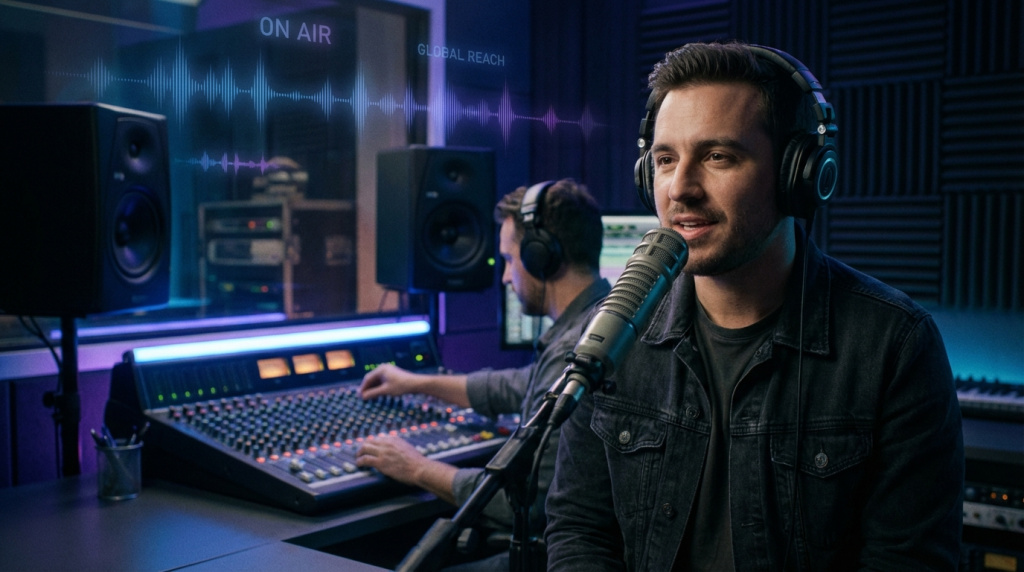
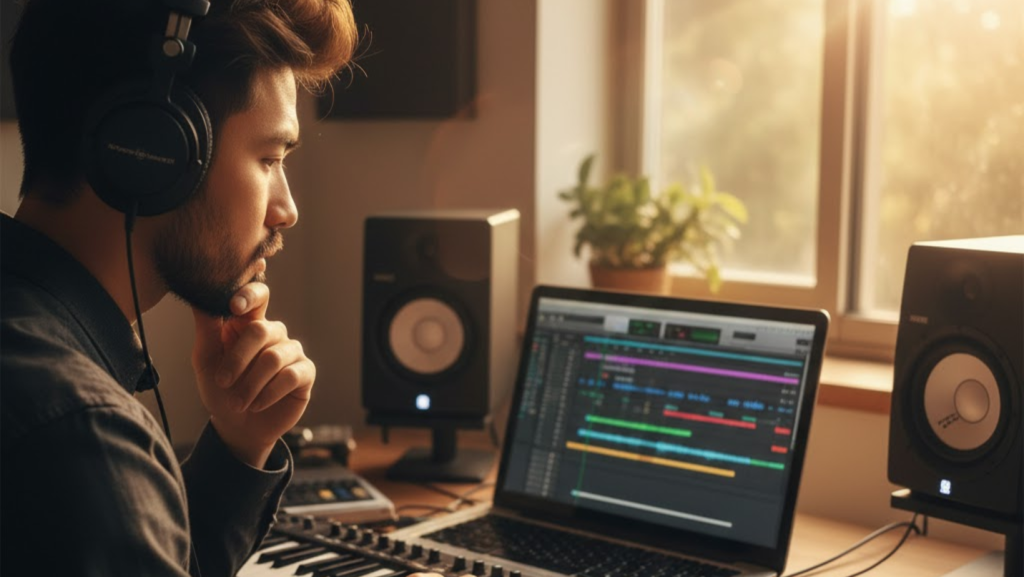
image of a guy recording music in a studio and getting best radio airplay promotions

7 Best Radio Airplay Promotion Services in the United States for Independent Artists

For independent artists trying to break through the noise of today’s music industry, radio exposure remains one of the most powerful credibility signals available.

While streaming platforms help artists distribute music globally, radio airplay still carries authority, industry trust, and market influence that algorithms alone cannot replicate.

However, getting music into the hands of radio programmers is rarely easy without the right support. That’s where professional radio airplay promotion services come in.

The best Radio Airplay Promotion services help independent artists connect with radio stations, build verifiable airplay history, and expand their audience across multiple markets.

Below are some of the most respected radio promotion services in the United States that help artists gain legitimate radio exposure.


Why Artists Invest in the Best Radio Airplay Promotion

Before exploring the best Radio Airplay Promotion services, it’s important to understand why radio promotion remains such a powerful strategy.

Radio offers several advantages that go beyond simple exposure:

  • Builds industry credibility

  • Introduces music to new audiences

  • Strengthens artist branding

  • Expands presence in multiple geographic markets

  • Creates measurable airplay history

According to the National Association of Broadcasters, radio continues to reach the majority of Americans every week, making it one of the most powerful discovery platforms for music.

Outbound source:
https://www.nab.org

In addition, tracking services such as Mediabase provide detailed data on radio airplay across hundreds of stations, demonstrating how radio exposure contributes to measurable artist growth.

Outbound source:
https://www.mediabase.com

Unlike viral streaming spikes that can fade quickly, radio airplay contributes to long-term artist recognition and professional positioning.

This is why experienced artists treat radio promotion as a strategic career investment rather than a one-time marketing tactic.


1. Musik Radio Promotions

When discussing the best Radio Airplay Promotion services, Musik Radio Promotions stands out as one of the most comprehensive platforms for independent artists seeking global exposure.

Musik Radio Promotions focuses on helping artists get their music heard by real radio programmers across major and independent stations. Their campaigns are designed to provide consistent outreach, industry credibility, and measurable promotion activity.

Key benefits include:

  • Access to a network of 250,000 radio stations globally

  • Strategic campaign management

  • Professional outreach to radio programmers

  • Transparent promotion structure

Unlike automated submission platforms, Musik Radio Promotions focuses on professional campaign execution and relationship-driven outreach, which is critical in the radio industry.

Artists looking to grow long-term visibility often rely on services like Musik Radio Promotions to ensure their music reaches decision-makers who curate radio playlists.

Internal link:
https://musikandfilm.com


2. Planetary Group

Planetary Group is a respected music promotion company that works with independent artists and labels across several radio formats.

Their campaigns often target:

  • college radio stations

  • non-commercial stations

  • alternative and indie formats

Planetary Group has helped introduce numerous emerging artists to influential radio programmers.

Outbound source:
https://www.planetarygroup.com


3. PlayMPE

PlayMPE is one of the most widely used radio distribution platforms in the music industry.

Rather than traditional promotion, PlayMPE provides a secure delivery system that allows music to be sent directly to radio programmers and program directors.

Many professional radio promotion campaigns rely on PlayMPE to ensure high-quality audio files are delivered to broadcasters efficiently.

Outbound source:
https://www.plaympe.com


4. Tinderbox Music

Tinderbox Music specializes in radio promotion, publicity campaigns, and artist development.

They work with artists across multiple radio formats including:

  • college radio

  • specialty radio

  • non-commercial stations

Their campaigns often focus on emerging artists seeking exposure within independent and alternative music communities.

Outbound source:
https://tinderboxmusic.com


5. Pirate! Promotion

Pirate! Promotion has built a reputation for helping independent artists reach radio audiences across college and specialty radio formats.

They frequently work with alternative and indie artists looking to expand early-stage radio exposure.

Outbound source:
https://piratepirate.com


6. AAM Inc. (Alternative Airplay Marketing)

AAM Inc. provides radio promotion services for artists seeking airplay on rock and alternative stations.

Their team focuses on national radio promotion campaigns that connect artists with influential radio programmers.

Outbound source:
https://aaminc.com


7. Independent Radio Promotion Specialists

Many artists also work with independent radio promotion consultants who specialize in specific music formats.

These specialists may focus on genres such as:

  • country radio

  • urban radio

  • Christian radio

  • jazz radio

Industry resources like AllAccess Music Group often provide insight into radio programming trends and industry activity.

Outbound source:
https://www.allaccess.com

Artists considering promotion services should always research companies carefully and ensure they understand the campaign strategy and outreach process.


What Makes the Best Radio Airplay Promotion Services Different

Not all promotion services operate at the same level.

The best Radio Airplay Promotion campaigns focus on relationship building and long-term strategy rather than quick wins.

Professional campaigns typically include:

  • direct outreach to radio programmers

  • strategic targeting of appropriate formats

  • structured promotion timelines

  • airplay tracking and reporting

  • consistent industry communication

This approach aligns with proven marketing psychology principles showing that trust, credibility, and repeated exposure significantly influence decision-making.

When programmers see consistent professional promotion behind a release, they are far more likely to give new music serious consideration.


Ready to Work With One of the Best Radio Airplay Promotion Teams?

For independent artists serious about expanding their reach, professional radio promotion can be a powerful career accelerator.

Musik Radio Promotions helps artists connect with radio programmers through a global network of 250,000 radio stations, giving music the opportunity to reach new audiences worldwide.

Learn more about how to get your music heard on radio through professional campaigns:

👉 https://musikandfilm.com

The right promotion strategy today can help position your next release for stronger visibility, greater credibility, and long-term success in the music industry. 🎵
Musik Radio Promotions

7 Powerful Ways to Get Music Heard on Radio with Musik Radio Promotions

March 13, 2026
Post Image

How to Get Music Heard on Radio: The Real ROI of Music Radio Promotion

For many independent artists, the dream to get music heard on radio represents more than just a milestone—it represents validation, reach, and the beginning of real industry momentum.

But one of the most misunderstood aspects of music radio promotion is how its success should actually be measured.

Many artists assume that radio success is defined by a single chart position, a spike in spins, or a brief moment of airtime. In reality, the true return on investment of music radio promotion is measured over time, not in a single week.

Radio exposure builds credibility, industry awareness, and long-term career leverage that compounds with every release.

When approached strategically, radio promotion becomes one of the most powerful tools available to artists who want to build sustainable visibility in the music industry.


Why Artists Still Need Music Radio Promotion Today

Despite the growth of streaming platforms, radio continues to hold enormous influence in the global music ecosystem.

Radio programmers, DJs, and curators serve as trusted gatekeepers who introduce music to audiences that algorithms often miss.

According to the Nielsen Music Audio Today Report, radio still reaches more listeners weekly than any other audio platform in many markets. This reach creates a powerful opportunity for artists who want to get music heard on radio and build broader awareness.

Unlike playlists that change rapidly, radio exposure can establish recurring familiarity with audiences.

That familiarity leads to:

  • Increased listener recognition

  • Greater trust in an artist’s brand

  • Expanded audience discovery across new markets

For emerging artists, this kind of exposure can open doors that streaming numbers alone rarely unlock.


The Real ROI When You Get Music Heard on Radio

One of the most common mistakes artists make is expecting immediate results from music radio promotion.

In reality, radio success rarely happens overnight.

Program directors often need to hear a record multiple times, observe consistent promotion, and see a clear story behind the artist before adding a track to rotation.

This is why experienced promotion campaigns focus on long-term positioning rather than short-term metrics.

Return on investment in radio is not measured by a single chart position or a single week of spins.

It is reflected in long-term career value, including:

  • Exposure to programmers who would not otherwise hear your music

  • Building a verifiable track record of airplay

  • Expanding your presence in key markets

  • Strengthening your credibility for future releases

Each campaign becomes a foundation that supports the next one.

Over time, this cumulative effect can dramatically increase an artist’s visibility within the industry.


How Music Radio Promotion Builds a Verifiable Airplay Track Record

When artists consistently work to get music heard on radio, they begin building something extremely valuable: a verifiable history of airplay.

Programmers pay attention to patterns.

If a station sees that other stations are supporting an artist, the perceived risk of adding that record decreases. This phenomenon is often referred to as social proof in marketing psychology.

When listeners, industry professionals, and media outlets see documented radio activity, it signals legitimacy.

A strong airplay track record can help artists:

  • Pitch future singles more effectively

  • Gain interest from additional radio markets

  • Strengthen negotiations with labels, booking agents, and managers

Organizations like the National Association of Broadcasters and reporting platforms such as Mediabase track radio activity across stations, reinforcing the importance of measurable airplay data.

This is why strategic music radio promotion focuses on building consistent radio presence over time rather than chasing a single viral moment.


Expanding Your Audience When You Get Music Heard on Radio

Another major benefit of radio promotion is geographic reach.

Streaming platforms often cluster audiences in specific digital ecosystems, but radio can introduce music into entirely new regions.

When artists work intentionally to get music heard on radio, they can begin developing awareness in strategic markets.

This matters because radio exposure often leads to additional opportunities such as:

  • Live performance invitations

  • Regional press coverage

  • Local fanbase growth

  • Festival and event bookings

Market presence is a powerful currency in the music industry.

Artists who demonstrate activity in multiple cities or countries often attract greater attention from industry professionals.


Why Professional Music Radio Promotion Matters

Credibility is one of the most valuable assets an artist can build.

Every successful radio campaign adds another layer of proof that your music resonates with real listeners and industry decision-makers.

When future releases are promoted, this credibility becomes a powerful advantage.

Instead of approaching radio programmers as an unknown artist, you approach them with a track record of previous airplay and professional promotion.

This dramatically increases the likelihood that your next single will receive attention.

This is why experienced artists treat music radio promotion as an ongoing strategy rather than a one-time experiment.

Each campaign builds momentum for the next.


Why Preparation Determines Radio Success

While radio promotion offers enormous opportunity, it only works when the foundational work is done properly.

Before launching a campaign, artists should ensure that key elements are in place:

  • Professional recording and mastering

  • Clear artist branding

  • A compelling story behind the release

  • Organized press materials

  • Strategic promotion planning

Without these fundamentals, even strong music can struggle to gain traction with programmers.

Radio professionals receive a constant flow of submissions. Clear positioning and professional presentation dramatically improve the chances of getting attention.


Professional Promotion Creates Long-Term Momentum

This is where experienced promotion teams make a significant difference.

Companies like Musik Radio Promotions specialize in helping artists get music heard on radio through structured campaigns, industry relationships, and strategic outreach.

Professional promotion focuses on consistent engagement with radio programmers, ensuring that music reaches the right people in the right formats.

At Musik Radio Promotions, campaigns are designed to help artists build sustainable radio exposure while maintaining transparency about the promotion process.

As outlined in proven marketing psychology principles, people respond strongly to clarity, trust signals, and consistent communication.

This is why professional radio campaigns prioritize clear messaging, structured outreach, and measurable progress.


What Artists Should Expect From a Radio Campaign

One of the most important things artists should understand is that radio promotion is about professional effort and long-term positioning, not unrealistic promises.

The most reputable promotion teams focus on doing the work correctly.

That means:

  • Consistent outreach to relevant radio programmers

  • Strategic placement across appropriate formats

  • Transparent reporting and communication

  • Long-term relationship building within the radio ecosystem

These efforts compound over time and create career momentum.


The Guarantee That Matters

Return on investment in radio is not measured by a single chart position or a single week of spins.

The real value comes from the accumulation of exposure, credibility, and industry recognition.

These benefits only occur when the foundational work is done upfront.

What professional promotion can guarantee is not instant fame—but the work itself.

Work that is executed professionally.

Work that is executed consistently.

Work that is executed transparently.

And in the long run, that is what helps artists truly get music heard on radio and build a career that lasts.


Ready to Get Your Music Heard on Radio?

If you are serious about building radio exposure and expanding your reach, working with experienced promotion professionals can accelerate the process.

Musik Radio Promotions helps artists connect with radio programmers across a global network of 250,000 radio stations, creating opportunities for real audience discovery and long-term credibility.

👉 Learn more about professional radio campaigns at:
https://musikandfilm.com

The right strategy today can build the foundation for your next breakthrough release. 🎧

Music Production Musik Radio Promotions Uncategorized

How Music Producers Actually Apply Music Theory (Without Killing Creativity)

February 20, 2026
Post Image

music-producers-applying-music-theory

How Music Producers Actually Apply Music Theory (Without Killing Creativity)

Let’s clear up a myth.

Music theory isn’t a rulebook.

It’s a toolkit.

And the best music producers don’t use theory to limit creativity — they use it to unlock it.

If you’ve ever wondered how music producers actually apply music theory inside real sessions — whether in hip-hop, pop, EDM, gospel, or cinematic production — this is your insider breakdown.

Because in today’s creator economy, production skill is leverage.

And leverage builds careers.

Music Producers Don’t “Follow” Theory — They Translate Emotion

Here’s what beginners get wrong:

They think music producers sit down and calculate chords like math equations.

They don’t.

Instead, music producers use theory as a decision accelerator.

When inspiration strikes, theory helps answer:

  • What chord creates tension here?
  • How do I resolve this progression emotionally?
  • Why does this melody feel flat?
  • How can I modulate without losing impact?

Theory becomes language.

And language speeds up creativity.

The faster you can translate emotion into structure, the faster you can create at a professional level.

1. Chord Progressions: Controlling Emotion on Purpose

Every genre relies on emotional architecture.

Music producers use chord theory to control:

  • Stability (major chords)
  • Tension (minor chords)
  • Drama (dominant 7ths)
  • Color (extensions like 9ths and 11ths)

For example, a simple I–V–vi–IV progression appears in countless hits across platforms like Spotify.

Why?

Because it creates emotional familiarity.

Professional music producers recognize patterns that already resonate with listeners — then tweak them for originality.

They don’t guess.

They design.

2. Melody Writing: Staying Memorable, Not Random

A melody that sticks isn’t accidental.

Music producers apply scale theory to:

  • Stay within key
  • Create intentional tension notes
  • Use passing tones strategically
  • Build hooks that resolve satisfyingly

Think about how top-tier producers craft melodies for artists who later chart on Billboard rankings.

Hooks feel inevitable.

That’s theory working quietly in the background.

Even when producers claim they “don’t know theory,” they often understand patterns instinctively from experience.

Instinct is just internalized theory.

3. Basslines: The Hidden Glue

Here’s where many new producers struggle.

Their tracks sound thin.

Why?

Because harmony and bass aren’t aligned.

Music producers use theory to:

  • Anchor root notes
  • Create counter-melodies
  • Avoid clashing intervals
  • Control groove with chord tones

A bassline that locks into the harmonic structure makes the entire mix feel intentional.

It’s subtle — but it’s powerful.

4. Tension and Release: The Producer’s Secret Weapon

Great production is emotional pacing.

Music producers apply theory to control:

  • Pre-chorus lift
  • Chorus impact
  • Bridge contrast
  • Drop anticipation

They might:

  • Introduce suspended chords before resolution
  • Delay the root note
  • Use modulation for dramatic shift
  • Strip harmonic layers before the drop

These are not accidents.

They’re psychological triggers.

Listeners feel tension physiologically — and theory helps producers shape that tension with precision.

5. Arrangement: Knowing What to Remove

Professional music producers don’t just add.

They subtract.

Theory helps identify:

  • Redundant harmonic layers
  • Frequency clashes
  • Overlapping chord tones
  • Muddy intervals in lower registers

Clarity creates power.

And simplicity scales better in the streaming era.

Complex doesn’t always convert.

Intentional does.

6. Genre Adaptation: Why Theory Makes You Versatile

In today’s global market, versatility is currency.

Music producers who understand theory can jump between:

  • Gospel
  • Pop
  • Trap
  • Afrobeat
  • Cinematic scoring
  • Worship
  • Indie rock

Because theory reveals what changes between genres — and what stays consistent.

Chord extensions may shift.

Rhythmic emphasis may evolve.

But harmonic foundations remain universal.

That flexibility opens doors to collaborations, sync placements, and broader market relevance.

7. Theory Speeds Up Collaboration

In professional sessions, time is money.

When music producers understand theory, they communicate faster:

“Let’s go to the relative minor.”
“Try a dominant leading into the hook.”
“Modulate up a whole step for the last chorus.”

Clear communication builds authority in the room.

Authority builds trust.

Trust builds repeat work.

And repeat work builds careers.

8. Why Some Producers Avoid Theory (And Why That’s Risky)

Some creators fear that learning theory will “kill their vibe.”

But here’s the insider truth:

Music producers who ignore theory often hit creative ceilings.

They rely on:

  • Trial and error
  • MIDI packs
  • Presets
  • Loop libraries

There’s nothing wrong with tools.

But without understanding structure, you’re dependent on external resources.

And dependence limits scalability.

Theory gives independence.

Independence creates identity.

9. Theory in the Age of AI and Templates

With AI tools and drag-and-drop platforms rising, basic production is becoming accessible to everyone.

So what separates serious music producers from casual creators?

Intentionality.

When you understand why chords move the way they do — not just how — you create music that feels engineered, not assembled.

That depth is what resonates long-term.

And long-term resonance is what leads to:

  • Radio placements
  • Sync deals
  • Brand partnerships
  • Chart traction

Production quality influences promotion success.

And strong songs travel further.

The Bigger Picture: Production and Promotion Are Connected

Here’s what many producers overlook.

No marketing strategy can fix a weak record.

If your harmonic foundation is shaky, radio programmers won’t hold it.

If your melody lacks structure, listeners won’t replay it.

Strong music makes strong promotion possible.

At Musik and Film, we’ve seen firsthand how production quality influences radio traction across 250,000 global networks.

When a record is structurally sound, emotionally compelling, and professionally arranged, it performs better — period.

That’s not hype.

That’s pattern recognition.

Learn more about how strong records gain global exposure:
https://musikandfilm.com

Final Thoughts: Theory Is a Multiplier

Music producers don’t use theory to restrict creativity.

They use it to:

  • Move faster
  • Create intentionally
  • Solve problems instantly
  • Communicate professionally
  • Build genre flexibility
  • Elevate emotional impact

Theory doesn’t make music robotic.

It makes it scalable.

And in today’s creator economy, scalability is everything.

If you’re serious about growing as a producer, treat music theory like a leverage tool — not a classroom obligation.

Because the producers who understand structure don’t just make beats.

They build records that travel.

And records that travel get heard.

Keep creating. Keep refining. Keep building. 

Indie Artist Help Musik Radio Promotions Radio Promotion

Is Radio Promotion for Music Promotion Still Worth It in 2026? An Industry Insider’s Perspective

February 20, 2026
Post Image

radio-promotion-for-music-still-worth-it

Is Radio Promotion for Music Promotion Still Worth It?

Short answer?

Yes — but only if it’s done strategically.

In today’s creator economy, independent artists are told to focus only on TikTok trends, Spotify algorithms, and short-form content hacks. And while those tools matter, here’s what most aspiring musicians don’t realize:

Algorithms create visibility.
Radio creates credibility.

And credibility compounds.

If you’re serious about building a sustainable career — not just chasing streams — then understanding the true power of radio promotion for music promotion is essential.

Let’s break this down like growth partners, not hobbyists.

The Streaming Illusion: Why Exposure Isn’t Enough

Every day, over 100,000 songs are uploaded to platforms like Spotify.

That means attention is fragmented. Saturated. Competitive.

You might get:

  • A few playlist adds
  • A short spike in streams
  • Some engagement on social

But here’s the uncomfortable truth:

Streams alone don’t signal authority.

And in the music industry, perception drives opportunity.

Publications like Billboard still track radio data because radio airplay represents real-world traction — not just algorithmic luck.

That distinction matters.

Because decision-makers — managers, labels, booking agents — pay attention to credibility signals.

And radio remains one of the strongest.

Why Radio Promotion for Music Promotion Still Works

Let’s talk psychology.

People trust what feels vetted.

When listeners hear your track on a radio station — especially one they already follow — your music carries implied validation.

The subconscious thought is:

“If this station is playing them, they must be legit.”

That’s social proof at scale.

Unlike paid ads or artificial stream boosts, radio promotion for music promotion introduces your music to real audiences, in real environments, through trusted channels.

It’s not just exposure.

It’s endorsement.

And endorsement builds momentum.

Not All Radio Promotion Is Equal

Here’s where most artists get burned.

They buy cheap “radio packages” promising thousands of plays.

What they don’t realize:

  • Many of those stations have no real audience.
  • Some are automated internet streams with minimal engagement.
  • Others offer reports but no meaningful reach.

That’s noise — not leverage.

Real radio promotion for music promotion requires:

  • Authentic relationships
  • Curated station targeting
  • Industry-level connections
  • Audience relevance

And this is where positioning matters.

What Sets Real Promotion Apart

Musik and Film operates differently.

Instead of transactional “quick win” packages, they leverage access to 250,000 radio networks globally — built through real relationships, not automation.

That distinction changes everything.

Because when your music reaches stations that:

  • Have active listener bases
  • Are respected in their markets
  • Are followed by tastemakers
  • Influence regional or genre communities

You’re not just gaining plays.

You’re building career equity.

That’s the difference between exposure and impact.

And serious artists understand the difference.

Radio Builds Industry-Level Credibility

Let’s think like insiders for a moment.

When industry professionals evaluate an artist, they look at:

  • Streaming consistency
  • Audience engagement
  • Press mentions
  • Radio traction

Radio tells the industry your music resonates beyond your immediate circle.

It shows third-party belief.

And belief attracts opportunity.

Many artists who later appear on charts or secure partnerships first built quiet momentum through radio markets.

It doesn’t always go viral.

But it builds foundation.

And foundation sustains careers.

The Growth Partner Approach to Radio Promotion

If you’re viewing radio promotion for music promotion as a one-time tactic, you’re thinking too small.

Radio works best as part of a larger growth strategy:

  1. Release strategically.
  2. Amplify through streaming.
  3. Support with social storytelling.
  4. Reinforce with radio credibility.
  5. Repurpose wins into press and content.

Each channel feeds the other.

Radio placements become:

  • Social proof posts
  • Email list announcements
  • Press pitch leverage
  • Booking conversation assets

Momentum builds when channels connect.

And that’s where having a strategic partner matters.

Explore how global radio positioning works here:
https://musikandfilm.com

The Psychology Behind Why Radio Still Influences

In an era dominated by screens, audio remains powerful.

Radio consumption often happens during:

  • Commutes
  • Work hours
  • Routine activities

It’s passive but consistent.

And consistency increases familiarity.

Familiarity builds trust.

Trust builds preference.

From a behavioral perspective, repeated exposure in trusted environments increases perceived value. That’s not theory — it’s well-documented consumer behavior.

So when artists dismiss radio as “outdated,” they’re often reacting to surface trends — not understanding long-term brand building.

Who Should Use Radio Promotion?

Radio promotion for music promotion isn’t for everyone.

It’s for artists who:

  • Want to be taken seriously
  • Are building a long-term career
  • Value credibility over shortcuts
  • Understand momentum compounds

If your goal is overnight virality, radio alone won’t guarantee that.

But if your goal is positioning yourself as an artist with real reach, real backing, and real audience engagement — radio becomes powerful.

And when supported by experienced networks and meaningful industry relationships, it becomes strategic leverage.

Cheap Marketing vs. Real Infrastructure

Let’s address the elephant in the room.

Why not just boost posts or buy ads?

Because paid visibility ends when the budget ends.

Real infrastructure keeps working.

Cheap marketing buys impressions.

Strategic radio promotion builds reputation.

And reputation is what opens doors.

Musik and Film’s advantage isn’t just scale.

It’s access — to real stations, real programmers, and audiences that matter.

That’s what separates a quick campaign from a career move.

The Future Version of You

Picture this:

Your next release doesn’t just drop.

It launches with:

  • Streaming traction
  • Social proof
  • International radio exposure
  • Credibility signals that compound

Conversations change.

Perception shifts.

Opportunities increase.

That’s what smart radio promotion for music promotion looks like in today’s creator economy.

Not outdated.

Not optional.

Strategic.

If you’re ready to move beyond temporary visibility and build lasting authority, explore how Musik and Film connects artists to 250,000 radio networks globally.

Visit https://musikandfilm.com

Because the artists who win long-term aren’t just seen.

They’re heard — in the right rooms. 


Uncategorized

How Michael Peterson Reached #1 on the World Indie Music Chart with Strategic Radio Promotion

February 20, 2026

michael-peterson-music-strategic-radio-promotion

How Michael Peterson Reached #1 on the World Indie Music Chart with Strategic Radio Promotion

When over 700 radio stations across the globe align behind one song, that’s not luck.

That’s leverage.

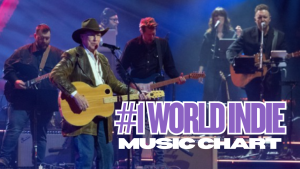
In February 2026, Michael Peterson’s “He Ain’t Heavy, He’s My Brother” (featuring The Imperials) climbed to #1 on the World Indie Music Chart — again.

Melbourne. Madrid. Moscow. Maine. Toronto. Toledo.

Over 3 million listeners per week tuned in as the song rose to the top.

But here’s what aspiring artists really want to know:

How does an independent artist reach #1 on a global indie chart in today’s saturated music economy?

Let’s break this down like industry insiders.

Strategic Radio Promotion for Independent Artists

If there’s one phrase that captures this success, it’s this:

strategic radio promotion for independent artists

Because Michael Peterson’s rise wasn’t accidental. It was built on infrastructure, relationships, and credibility — not shortcuts.

In an era where thousands of tracks hit platforms like Spotify daily, attention alone isn’t enough.

Authority is what separates noise from movement.

And radio builds authority.

Why #1 on the World Indie Music Chart Matters

Charts are perception amplifiers.

When an artist hits #1 on the World Indie Music Chart, it signals:

  • Broad international support
  • Consistent radio rotation
  • Listener demand
  • Industry validation

Publications like Billboard still track radio data because broadcast traction reflects real audience engagement — not just algorithm spikes.

That distinction matters.

Because chart success isn’t just about listeners.

It’s about positioning.

And positioning creates opportunity.

The Infrastructure Behind the Momentum

Let’s talk about what most artists don’t see.

Behind every major independent milestone is distribution power.

Musik and Film brings access to 250,000 radio networks globally — not through automation, but through cultivated relationships and targeted station placement.

That’s the difference between:

  • Random submissions
  • Generic “radio blasts”
  • And strategic radio promotion for independent artists

When over 700 stations align around one record, that doesn’t happen because of a mass email.

It happens because of:

  • Trusted industry relationships
  • Relevance-based targeting
  • Real programming conversations
  • Consistent follow-through

That’s infrastructure.

And infrastructure wins.

Why Cheap Promotion Doesn’t Create #1 Records

Let’s address the elephant in the room.

There are countless services promising “radio exposure.”

But many of them offer:

  • Low-engagement online streams
  • Automated placements
  • No real listener base
  • Inflated reporting

That kind of promotion might look impressive on paper.

But it doesn’t build momentum.

Michael Peterson’s climb to #1 wasn’t built on vanity metrics.

It was built on real stations with real audiences.

That’s what sets strategic radio promotion for independent artists apart from low-cost marketing tactics.

Cheap promotion buys impressions.

Strategic promotion builds reputation.

And reputation is what pushes a record up the charts.

The Psychology Behind Radio Authority

From a neuromarketing perspective, radio activates powerful trust signals.

When listeners hear a track played by a station they follow, the brain processes it as:

“Someone credible chose this.”

That implied endorsement reduces skepticism.

It increases perceived value.

It strengthens recall.

In consumer behavior studies referenced by Harvard Business Review, third-party validation significantly increases trust and decision confidence.

Radio functions as large-scale third-party validation.

And when validation multiplies across hundreds of stations, momentum compounds.

That’s what happened here.

Global Reach Creates Global Identity

One of the most powerful aspects of Michael Peterson’s #1 record?

Geographic diversity.

When your music resonates from Melbourne to Madrid, from Toronto to Moscow, it reshapes your identity.

You’re no longer “local.”

You’re international.

And in the creator economy, global positioning accelerates everything:

  • Booking conversations
  • Press interest
  • Partnership discussions
  • Collaboration opportunities

Strategic radio promotion for independent artists doesn’t just increase spins.

It expands perception.

And perception influences opportunity.

The Growth Partner Advantage

Musik and Film doesn’t operate like a transactional service.

They operate like growth partners.

Instead of pushing volume, they focus on:

  • Alignment with the right stations
  • Consistent follow-up
  • Measurable traction
  • Long-term credibility

Access to 250,000 radio networks globally isn’t just a statistic.

It’s leverage.

And leverage creates outcomes like chart-topping momentum.

If you want to understand how global radio campaigns are structured, you can explore more here:
https://musikandfilm.com

What Aspiring Artists Can Learn from This

Michael Peterson’s #1 moment isn’t just a headline.

It’s a blueprint.

Here’s what serious artists should take away:

  1. Treat promotion as infrastructure, not a one-off push.
  2. Build credibility before chasing virality.
  3. Use radio to reinforce streaming growth.
  4. Choose partners with real relationships — not automated reach.
  5. Think globally, even if you’re independent.

Strategic radio promotion for independent artists works best when integrated into a broader release strategy.

Streaming builds visibility.

Social builds connection.

Radio builds authority.

Authority builds charts.

This Is What Worldwide Resonance Looks Like

When 700+ stations agree on one record, that’s not a coincidence.

That’s alignment.

When 3 million weekly listeners tune in, that’s not noise.

That’s traction.

When a song climbs to #1 again, that’s not hype.

That’s momentum.

Michael Peterson’s chart success is proof that independent artists can compete globally — when supported by the right infrastructure and relationships.

Your Next Move

If you’re an aspiring artist reading this, ask yourself:

Are you chasing temporary visibility?

Or are you building sustainable authority?

Because strategic radio promotion for independent artists isn’t about ego.

It’s about ecosystem.

It’s about being heard by real people — including people at the top.

Musik and Film’s access to 250,000 radio networks globally gives artists a platform that extends beyond algorithms and into real-world credibility.

And credibility changes careers.

If you’re ready to build real momentum instead of hoping for viral luck, explore how Musik and Film can position your next release for global reach.

Visit https://musikandfilm.com

Because the artists who rise to #1 don’t just drop songs.

They build strategy.

And strategy scales. 


Musik Radio Promotions Indie Artist Help Radio Promotion

Best Way to Promote Music for Aspiring Artist in 2026

February 20, 2026
Post Image

best-way-to-promote-music-2026

Best Way to Promote Music for Aspiring Artist: The Growth Blueprint No One Talks About in 2026

The truth?

The best way to promote music for aspiring artist isn’t uploading a song and hoping it goes viral.

It’s building momentum with strategy, positioning, credibility, and distribution power.

As an aspiring musician, you’re not just competing with other independent artists. You’re competing with 60,000+ tracks uploaded daily on platforms like Spotify.

So if you’re serious about growth, let’s talk like industry insiders — not hobbyists.

This is your real blueprint.


Why Most Artists Stay Invisible

Before we talk about the best way to promote music for aspiring artist, we need to address the real problem:

Most artists focus on exposure without credibility.

They chase:

  • Playlist placements
  • Viral TikTok moments
  • Random paid ads

But here’s the psychology behind buying and listening decisions:

People trust what feels validated.

According to consumer behavior research published by Harvard Business Review, buyers (and listeners) make emotional decisions first and justify them logically later.

If your music looks unknown, unproven, or unsupported — the brain hesitates.

That hesitation kills growth.

Step 1: Build Authority Before You Ask for Attention

The best way to promote music for aspiring artist starts with positioning.

You don’t promote music.
You promote perception.

Radio play, press features, interviews, and curated placements signal legitimacy. When your audience sees your track played across stations globally, something shifts:

“Maybe this artist is serious.”

That shift matters.

This is where radio promotion becomes powerful. Unlike algorithm-only platforms, radio builds third-party validation. It tells listeners: someone else already believes in this artist.

Platforms like Billboard still track radio performance because it reflects real audience reach and credibility.

And credibility compounds.

Step 2: Distribution Beats Virality

Virality is unpredictable.

Distribution is controllable.

The best way to promote music for aspiring artist is expanding your reach across multiple channels simultaneously:

  • Streaming platforms
  • Social platforms
  • Radio networks
  • Blogs
  • Influencer collaborations
  • Email lists

When your music touches different ecosystems at once, momentum builds.

At Musik and Film, artists tap into access to 250,000 radio networks globally, creating scale that most independent artists can’t reach alone.

That’s not hype — that’s infrastructure.

If you’re serious about building global awareness, strategic radio distribution isn’t optional. It’s leverage.

You can explore how global radio promotion works here:
https://musikandfilm.com

Step 3: Use Identity-Based Marketing

The best way to promote music for aspiring artist isn’t just about reach.

It’s about identity.

People don’t follow artists because of features.
They follow artists because of transformation.

Ask yourself:

  • What does my music represent?
  • Who does my audience become when they listen?
  • What identity are we building together?

Look at how Drake built a brand around emotional transparency and dominance. Or how Billie Eilish crafted an alternative, intimate identity that resonated globally.

They didn’t just drop songs.

They built movements.

You don’t need their budget — but you need their clarity.

Step 4: Stack Social Proof Strategically

Social proof reduces risk in the listener’s mind.

The best way to promote music for aspiring artist includes:

  • Radio station screenshots
  • Listener testimonials
  • Press mentions
  • Playlist adds
  • Milestone celebrations

Even small wins create psychological safety.

When someone discovers your music and sees that it’s been played internationally, shared, or reviewed, their brain relaxes.

“Others already like this.”

Momentum grows.

Step 5: Create Emotional Entry Points

Music is emotional.

Your marketing should be too.

The best way to promote music for aspiring artist is storytelling:

  • Why did you write the track?
  • What struggle does it come from?
  • What transformation does it represent?

Great artists don’t just market songs.
They market stories.

Structure your content like this:
Pain → Struggle → Breakthrough → Future Identity

This narrative structure keeps attention and increases connection.

And connection drives replay.

Step 6: Make Radio Part of Your Long-Term Strategy

Many aspiring artists overlook radio because it feels “old school.”

It’s not.

Radio remains one of the strongest credibility markers in the industry. Even major streaming growth often follows broadcast exposure.

The best way to promote music for aspiring artist includes combining:

  • Streaming visibility
  • Social engagement
  • Radio authority
  • Consistent branding

When these align, growth becomes sustainable — not random.

With access to 250,000 radio networks globally, Musik and Film helps bridge the gap between independent ambition and global exposure.

That scale changes perception.

And perception changes opportunity.

Step 7: Think Like a Growth Partner, Not Just a Creator

If you want real traction, stop thinking release-to-release.

Start thinking brand-to-brand.

The best way to promote music for aspiring artist is treating your music career like a scalable ecosystem:

  • Every release builds credibility.
  • Every radio play builds authority.
  • Every listener builds data.
  • Every campaign builds momentum.

Growth isn’t luck.

It’s leverage.

And the right partnerships accelerate everything.

The Future Version of You

Picture this:

Your music isn’t just uploaded.
It’s distributed globally.
It’s validated.
It’s positioned.

Opportunities increase.
Collaborations open up.
Confidence rises.

That’s what happens when you stop guessing and start building strategically.

The best way to promote music for aspiring artist isn’t one tactic.

It’s authority + distribution + identity + consistency.

If you’re ready to move beyond DIY uncertainty and step into global positioning, explore how Musik and Film helps artists access 250,000 radio networks worldwide.

Visit https://musikandfilm.com and start building momentum the right way.

Because the artists who grow aren’t the loudest.

They’re the most strategic. 


Artist News Musik Radio Promotions Press Release

Singer-Songwriter Michael Gilas single, “Working With the Rain”!  now at #14 on Billboard!

March 7, 2025
Post Image

Singer-songwriter Michael Gilas continues his remarkable rise, climbing to #14 on the Billboard Adult Contemporary chart with his single “Working With the Rain.” In just 12 weeks of promotion, Gilas has already earned multiple chart-topping milestones, including #1 on the World Indie Chart and #2 on the Euro Indie Chart. His earlier singles, “Let’s Get Back to Us” and “This Is The Last Time,” both reached the top of the charts and introduced listeners to the emotional depth behind his upcoming debut album, 231 Kensington Road. Now recording in Nashville with acclaimed producer Kent Wells, Gilas is preparing new releases that blend soulful rock influences with modern edge, including the March release of “Can’t Hide Beautiful,” accompanied by dual music videos from producer Ben Silverman.

Read more
(Ça S'en Vient) It's Coming Can You Feel It - Stephen DowdClub Mirage - ViennaCCThe Minimalist - YAH!ZOne Night Man - Captain Rick’s RetroRockitPotential - Sunset SaloreI Like Girls - Extra BandAMERICA, Here We Come Again - MCCOYXEILEENFreedom - Stephen DowdOne Believer - Talon Rose